Facial Rehab Manual Therapy

Facial paralysis treatment with personalized manual therapy – starting from the very first week.

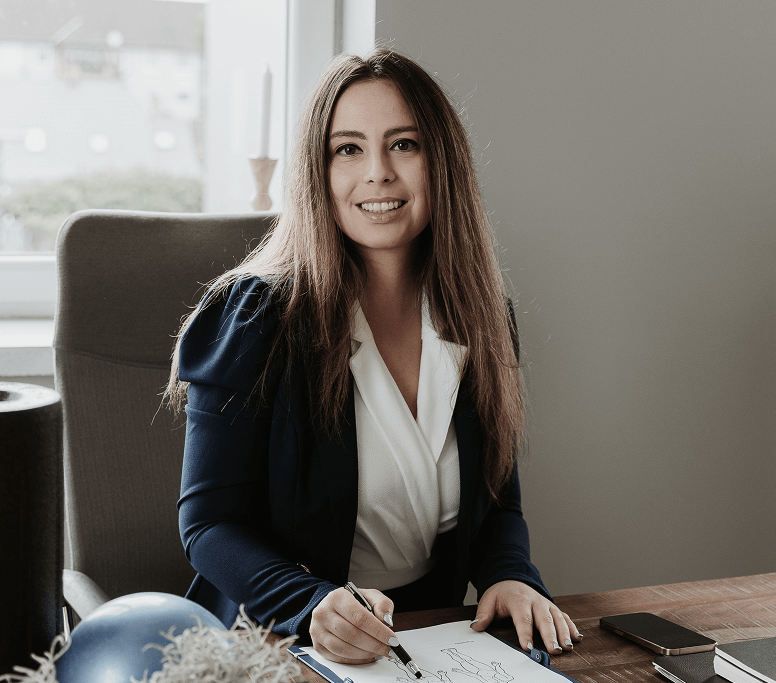
I'm Domenika Zsiborács.

I am a movement therapist and the developer of the Facial Rehab Manual Therapy (FRMT) method.

FRMT is a specialized manual therapy technique that I developed for the active, personalized treatment of facial paralysis. My goal is to support the recovery of facial muscle function and prevent the development of synkinesis (unintended facial movements) – even without surgery.

FRMT is a specialized manual therapy technique that I developed for the active, personalized treatment of facial paralysis. My goal is to support the recovery of facial muscle function and prevent the development of synkinesis (unintended facial movements) – even without surgery.

WHAT IS FRMT?

Early intervention

It can be applied as early as the first week to prevent the development of faulty muscle patterns.

Active muscle learning

The treatment consists of manual techniques combined with facial expression and speech exercises.

Personalized therapy

Every therapeutic step is tailored to the patient's current condition to ensure maximum effectiveness.

Acute vs. chronic phase

Acute phase (0–4 weeks)

Paralysis is the primary issue

There is no significant compensation on the unaffected side yet

Manual therapy applied externally and inside the oral cavity

Restoring eye closure and tear production

Chronic phase (from 3 months onward)

Overcompensation and muscle spasms are typical

Treatment is based on observing compensatory movements

Manual therapy based on targeted muscle patterns

Relearning muscle patterns, reducing synkinesis

Who is FRMT recommended for?

  • For those who have recently developed facial paralysis
  • For those who wish to avoid surgical intervention
  • For those already living with synkinesis symptoms
  • For those who want to take an active role in their recovery

TREATMENT PROCESS

Patient assessment

Based on scientifically accepted scales and video documentation.

2–3 sessions per week

Individual manual therapy, 60 minutes per session, including speech and facial expression exercises.

Home practice

A 3–5 minute daily exercise using a facial massage roller on both sides.

Ongoing monitoring

Documenting progress and adjusting therapy based on the current condition.

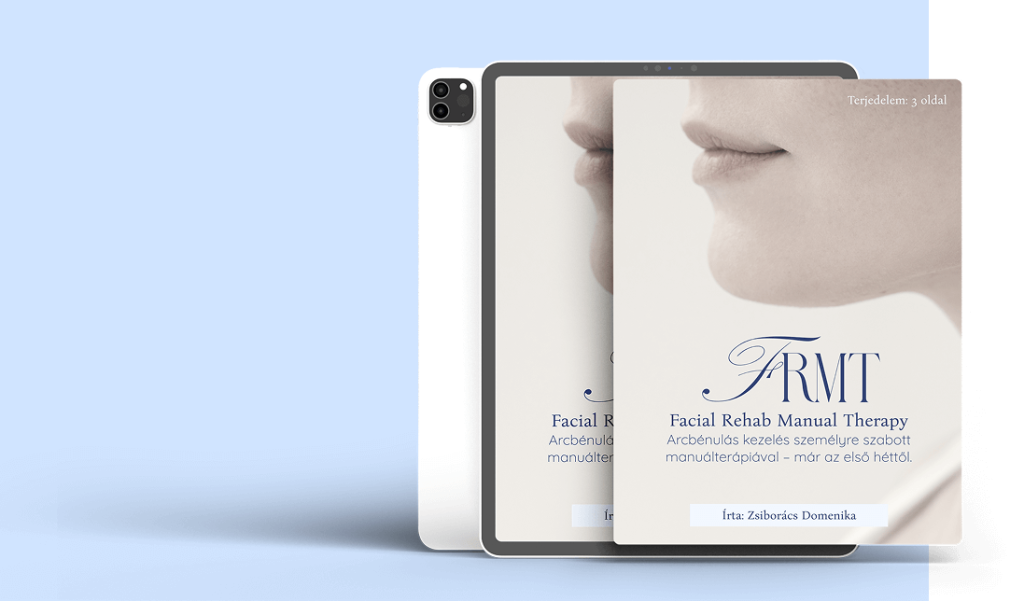
EBOOK

Would you like to know more?

A detailed professional description of the method is also available.
Available for download in PDF format:

A detailed professional description of the method is also available.
Available for download in PDF format:

en_GB